Rhino Roofing & Restoration

Roof Insurance Claim Assistance in Taylors, SC

Roof insurance claim assistance in Taylors, SC should begin with the roof condition and the policyholder's decision—not pressure to file. Rhino documents roofing evidence and can meet the adjuster when a legitimate claim moves forward.

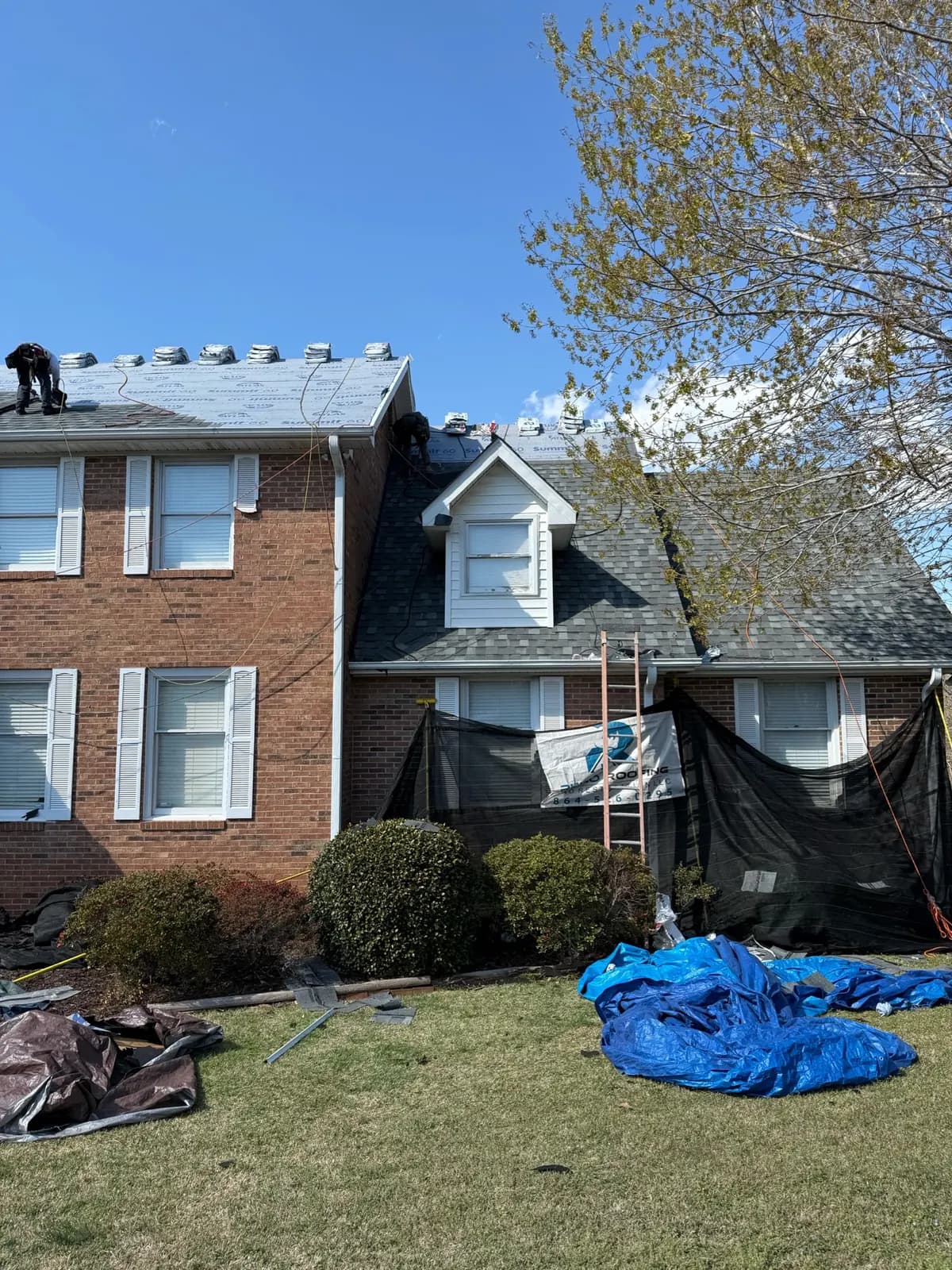
Residential roof project with protective tarps in place

What a roofing contractor contributes to a claim

Rhino inspects the covering, ridge material, flashing, vents, soft metal, edges, and related roof details for patterns that fit wind, hail, impact, or another reported event. Photographs and measurements help people who were not on the roof see the same condition. A repair or replacement scope then connects that evidence to roofing work.

Rhino does not act as the insurance carrier and does not decide policy coverage. The company also does not promise that a claim will be approved. The policyholder communicates with the insurer, reviews the deductible and policy duties, and chooses whether to file. Rhino's role stays focused on roofing facts, construction scope, and completed work.

01Service guide

Before deciding whether to file a roof claim

Record the event date, approximate time, wind or hail information, and when interior symptoms appeared. Take safe photographs from the ground or indoors. Keep temporary protection and drying receipts. Do not climb onto the roof or stand beneath a sagging ceiling to create evidence.

Review the deductible and contact the carrier or insurance professional with policy questions. A small repair near the deductible may provide little insurance benefit and still become part of the claim history. Rhino has advised homeowners against filing when the roofing condition appeared too minor to justify that path.

Policy notice deadlines and duties belong to the insurer, so a homeowner should not miss a required date while waiting for contractor scheduling. An inspection can inform the decision, but it does not replace reading the policy or reporting a loss within the carrier's process.

  • Event record

    Date, weather, interior symptoms, ground photos, debris, and temporary work create a factual timeline.

  • Roof assessment

    Storm patterns are separated from ordinary wear, old repairs, and installation defects.

  • Policy review

    The owner confirms deductible, notice duties, exclusions, depreciation, and carrier procedures.

  • Value decision

    Likely repair scope is compared with deductible and claim impact before pressure drives the choice.

02Service guide

What Rhino documents during the roof inspection

Representative areas are photographed rather than relying on one close-up with no location. Slope direction, roof material, age clues, prior patches, missing or creased shingles, hail-like impacts, vents, gutters, flashing, and interior leak reports provide context. The pattern should make sense across the property.

Rhino also notes pre-existing conditions that affect repairability. Brittle shingles, widespread granule wear, poor fastening, failed old flashing, or multiple roof layers may not be caused by the storm, yet they can change how new work ties into the roof. Keeping those facts separate makes the scope easier to discuss.

When safe access is limited by pitch, weather, height, material, or structural concern, the report should say so. Drone views, ladder-edge observation, attic evidence, and ground photos may add information without pretending an unseen area was walked. A dated inspection describes accessible conditions at that time.

03Service guide

Meeting the insurance adjuster

The adjuster inspects for the carrier and applies policy and estimating rules. Rhino can attend the scheduled visit, point out documented roof conditions, discuss roof geometry, and explain the construction steps behind a repair or replacement. The meeting does not transfer the coverage decision to the roofer.

Different inspections may reach different conclusions. Clear slope photos, measurements, material notes, and repairability facts provide a better basis for review than an argument on the roof. The homeowner should keep written carrier communication and ask the insurer how to request another review when something appears missing.

Access and timing should be confirmed before the appointment. Dogs, gates, attic entry, occupied rooms, and roof height may affect the visit. If weather makes the roof unsafe, the parties can document the limitation and reschedule rather than turn a claim inspection into a fall risk.

04Service guide

Reading the roofing scope and insurance estimate

An insurer's estimate and a contractor's proposal are different documents. The insurance estimate reflects the carrier's covered scope and pricing method. The roofing agreement states what Rhino will build, which materials are selected, how hidden deck work is handled, payment terms, and warranty responsibilities.

Compare roof areas, tear-off layers, underlayment, ice-and-water locations, starter, ridge, ventilation, flashing, pipe protection, edge metal, disposal, permits, and deck allowances. A line can be covered by the policy yet absent from a contractor scope, or needed for construction while still subject to carrier review.

A supplement is a request for the carrier to review added documentation or scope; it is not automatic approval. Concealed damage, code-related items, quantity differences, or necessary accessories may be raised after work begins. Rhino provides roofing evidence while the insurer decides whether the policy accepts the change.

05Service guide

Deductibles, payments, and completed-work records

The deductible is the policyholder's portion of a covered loss. Homeowners should be cautious when someone offers to hide, absorb, or waive it through inflated invoices or undisclosed credits. Payment terms should match written roofing work and the owner's actual responsibility.

Some claims may include depreciation that the carrier releases after eligible work is completed and documented. The homeowner should ask the insurer what invoice, photographs, or completion statement it needs and which deadline applies. Rhino can provide roofing completion records but does not control when the carrier issues funds.

Keep the claim number, adjuster contacts, estimates, revisions, photographs, signed roofing agreement, payments, invoices, product information, and warranties in one file. A future sale or storm inspection becomes clearer when records show which slopes were replaced, which repairs were made, and when the project closed.

06Service guide

Repair, replacement, and claim limits

A carrier may approve a repair when damage is limited. Rhino still needs to judge whether surrounding material can be opened and reclosed without breaking and whether compatible products are available. A technically difficult repair should be explained with photos and material facts rather than a demand for a larger project.

Replacement may fit widespread damage, broad affected slopes, or a roof whose material cannot accept local work. Pre-existing age and wear do not automatically become storm damage. Rhino separates the construction recommendation from the coverage decision so the owner can understand both.

If a claim is denied or partially covered, the homeowner can ask the carrier for the written basis and available review steps. Rhino can answer roofing-scope questions and supply existing documentation. Legal or policy disputes may require a licensed public adjuster, attorney, or insurance professional outside Rhino's role.

07Service guide

Choosing the roofing agreement after claim review

Do not sign a contract based only on a carrier total. Select the shingle or roof system, accessory products, color, ventilation, flashing approach, deck pricing, work schedule, payment milestones, cleanup, and labor warranty in writing. Insurance proceeds and construction obligations should remain easy to trace.

Rhino is a family-operated, certified South Carolina woman-owned company based in Taylors, with Greenville-area roots since 1988. Local accountability gives the owner a direct contact after the adjuster file closes. The contractor relationship continues through installation questions and the five-year labor-warranty period.

How we approach it

Document the roof while keeping every role clear

Claim assistance moves from event facts and roof inspection to carrier review, construction scope, completed work, and organized records.

  1. 01

    Inspect and explain

    Rhino documents roof conditions, separates storm patterns from old wear, and discusses likely roofing options.

  2. 02

    Support the review

    When a claim is filed, Rhino can share roofing scope, measurements, photos, and adjuster-meeting context.

  3. 03

    Build and close out

    Approved roofing work follows a written agreement, with invoices, completion photos, and warranty records organized.

Helpful answers

Roof Insurance Claim Assistance questions

Insurance questions are easier when contractor, homeowner, adjuster, and policy responsibilities are not blended together.

Will Rhino tell me whether to file a roof claim?

Rhino can explain the apparent damage and likely roofing scope, and may discourage a minor claim. The homeowner decides whether to file after reviewing the deductible, policy, claim history, deadlines, and carrier guidance.

Can Rhino meet my insurance adjuster?

Yes. Rhino can attend, point out documented roof conditions, and discuss measurements and roofing steps. The adjuster and carrier retain authority over coverage and insurance pricing decisions.

Can Rhino waive my insurance deductible?

No hidden waiver should be assumed. The deductible is the policyholder's stated share of a covered loss. Roofing price, discounts, credits, and payments should be truthful and written rather than disguised on an invoice.

What if the carrier estimate leaves out roofing work?

Share the difference with Rhino and the adjuster. Rhino can provide measurements, photos, code or manufacturer context, and a construction explanation. A supplement requests review; the carrier decides whether added items are covered.

Ready when you are

Bring clear roofing facts into the claim conversation.

Contact Rhino for roof insurance claim assistance in Taylors, SC, from honest inspection through adjuster review and documented roof work.