Rhino Roofing & Restoration

Roof Inspection in Taylors, SC

Roof inspection in Taylors, SC should produce more than a thumbs-up from the driveway. Rhino checks the surfaces and details that reveal how the roof was installed, how it has aged, and where water may find a path inside.

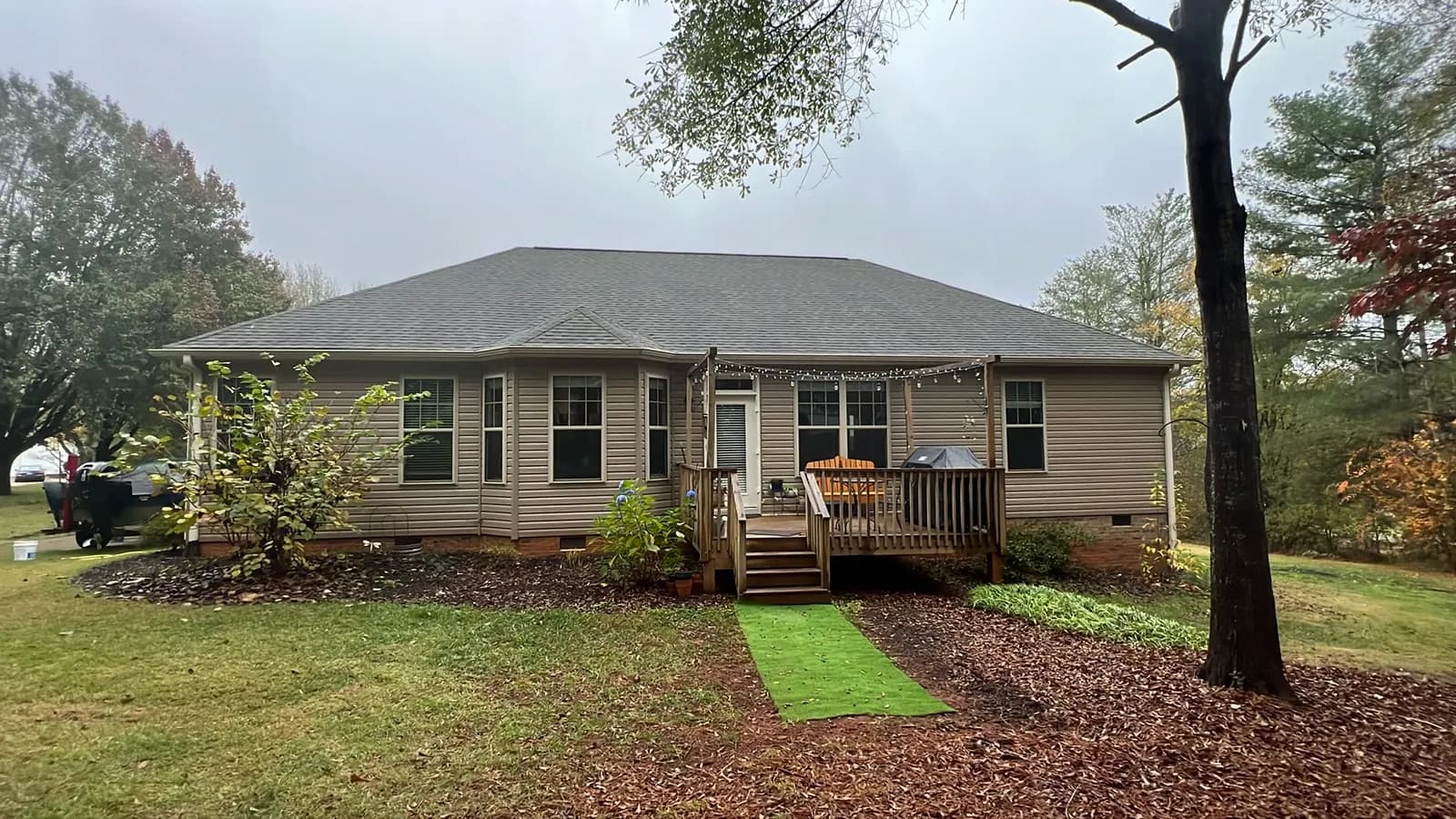
Residential roof ready for a detailed inspection

What Rhino looks for during a roof inspection

Bill’s inspection list comes from decades in construction and years of seeing how roofs fail in the Upstate. It includes shingle wear, hail and wind marks, ridge caps, ridge vents, pipe boots, flashing around chimneys and walls, kick-out flashing, valleys, potential leak paths, and the number of roofing layers. Granule loss and the condition of prior repairs also help show how the roof has aged.

Rhino owns drones and can use them when access calls for it, but Bill often prefers getting onto a safely accessible roof. Walking the surface can reveal movement, softness, brittleness, and raised details that do not always translate through an aerial photo. The inspection method still depends on pitch, weather, material, and safe access.

01Service guide

Roof inspections for real-estate transactions

Buyers want to know whether a roof is likely to become a large expense soon after closing. Sellers want clear information before a concern delays the transaction. Realtors need a report they can share without translating vague roofing language for every person involved. Rhino offers free inspections and can document findings with photographs.

The report should separate minor maintenance from meaningful defects. A nail pop or small sealant touch-up is different from widespread shingle failure, multiple active leaks, or failing chimney flashing. Rhino has handled small items during an inspection when practical, while documenting larger concerns that need a written scope.

  • Material condition

    Age clues, granule loss, cracking, brittleness, repairs, and remaining repairability are considered.

  • Installation details

    Fastening patterns, flashing, pipe protection, valleys, ridges, and transitions show how the system was built.

  • Water paths

    Roof geometry and interior evidence are used to trace where leaks may begin and travel.

  • Documentation

    Photos and plain notes help people who were not on the roof understand the findings.

02Service guide

Storm inspection without assuming there is a claim

After wind or hail, some homeowners have real damage and others have ordinary wear or a leak unrelated to the storm. Rhino looks for displaced or creased shingles, impact marks, affected soft metals, damaged ridge material, and patterns that fit the reported weather. One isolated mark does not tell the whole story.

Rhino takes a conservative approach to insurance. If damage is minor, filing a claim may not be in the homeowner’s interest. If legitimate storm damage is substantial, photographs and a report create a useful record, and Rhino can meet the adjuster to explain roofing conditions in industry terms.

03Service guide

Inspection findings: repair, monitor, or replace

A good inspection leads to a proportionate next step. A sound roof with one failed pipe boot may need a repair. A dry but aging roof may need maintenance and another inspection later. A roof with many unrelated leaks, widespread brittleness, or poor installation across the system may be difficult to repair responsibly.

Rhino explains the factors behind the recommendation. The number of leaks, location of failures, shingle condition, deck response, flashing, age, and the owner’s timeline all matter. The inspection is useful even when the answer is that no major roofing work is needed today.

04Service guide

What an attic can add to a roof inspection

The roof surface shows where water is supposed to stay out. The attic can show where moisture has actually traveled. When safe and accessible, an interior review may find dark water tracks, rusted nail points, damp insulation, daylight at an opening, or decking that has changed color. Those clues can connect a ceiling stain to a valley, wall, ridge, or penetration above it.

Not every attic mark is an active roof leak. Old staining may be dry after a past repair. Condensation can collect on cold fasteners or sheathing. A bathroom exhaust duct ending in the attic may release moisture that has nothing to do with rain. A moisture reading, current weather, insulation condition, and the shape of the stain help separate those causes.

Access is sometimes limited by low framing, stored belongings, insulation, finished ceilings, or unsafe walking areas. Rhino does not disturb a home simply to force a view. If the attic cannot be inspected, that limitation becomes part of the explanation, and exterior findings, leak timing, roof measurements, and photographs carry more of the diagnosis.

05Service guide

When to schedule another inspection

A roof does not need a professional visit after every ordinary rain. An inspection becomes useful when a new interior mark appears, shingles or metal are found on the ground, a tree strikes the roof, gutters suddenly collect unusual amounts of granules, or strong wind changes the roofline. Buyers and sellers may also need a current condition report tied to a transaction date.

After a severe Upstate storm, check the property from a safe location. Look for fallen limbs, displaced ridge material, lifted edges, damaged vents, and debris near downspouts. Do not climb onto the surface to search for hail marks. Rhino can decide whether hands-on access, a ladder-edge view, interior review, or drone imagery fits the roof and weather conditions.

An older roof with no active leak may benefit from periodic monitoring so replacement can be planned instead of triggered by an emergency. Keep prior reports and compare the same photographed areas over time. Changes in cracking, granule loss, sealant, flashing, or repairability matter more than a birthday alone. A roof inspection in Taylors, SC is most useful when it creates that kind of clear history.

When work is completed after an inspection, a follow-up look can confirm that the documented items match the finished scope. This is helpful in real-estate transactions, where several people may rely on invoices without seeing the roof, and after larger repairs involving hidden layers. The follow-up is not a new promise about unrelated parts of the system. It closes the loop on the listed condition, updates the photo record, and gives the owner a clean starting point for future monitoring. If weather prevented part of the original inspection, the return visit can also document that previously unseen area instead of implying it was cleared without access. That distinction keeps the report honest and gives the owner a precise reason for returning. Safe access stays documented. Reports should also carry the inspection date because roof condition can change after a later storm, tree event, trade visit, or extended period of neglect. A dated finding describes the roof that was available to inspect that day, not every event that may happen afterward.

How we approach it

From concern to documented roof condition

Tell us why the inspection is needed. A leak call, storm check, maintenance review, and home purchase each require a slightly different emphasis.

  1. 01

    Collect the roof history

    Age, known leaks, previous work, storm dates, interior symptoms, and real-estate deadlines give the inspection useful context.

  2. 02

    Review surfaces and details

    Safe-access methods are used to inspect the covering, ridges, valleys, walls, chimneys, penetrations, drainage, and visible trouble areas.

  3. 03

    Report the next step

    Findings are explained in plain language, with photos when appropriate and a clear distinction between maintenance, repair, and replacement.

Helpful answers

Roof Inspection questions

An inspection is most useful when you know what was reviewed, how access affected the review, and what the findings mean for the next decision.

How much does a Rhino roof inspection cost?

Rhino offers free roof inspections. That includes inspections for homeowners and real-estate professionals. Confirm the property location, roof type, access, and any deadline when scheduling so the office can explain what documentation is available.

Does Rhino use a drone or walk the roof?

Rhino has drones, but Bill prefers a hands-on inspection when the roof can be accessed safely. Pitch, surface condition, weather, height, material, and structural concerns determine whether walking the roof is appropriate.

What should I share before the inspection?

Provide the approximate roof age, known leaks, prior invoices or warranties, recent storm dates, and any rooms where stains or moisture appeared. For a real-estate inspection, share the relevant deadline and who should receive the report.

Can a roof pass inspection and still need maintenance?

Yes. A roof can remain serviceable while needing small items such as sealant renewal, debris removal, a pipe-boot correction, or a raised fastener repair. Maintenance findings are different from evidence that the roof needs full replacement.

Ready when you are

Get a clear account of your roof’s condition.

Schedule a free roof inspection with Rhino for a leak, storm concern, maintenance question, or real-estate transaction in the Taylors area.