Rhino Roofing & Restoration

Asphalt Shingle Roofing in Taylors, SC

Asphalt shingle roofing in Taylors, SC gives homeowners many colors and price points, but lasting performance comes from the full system beneath and around each shingle. Rhino explains those layers before work starts.

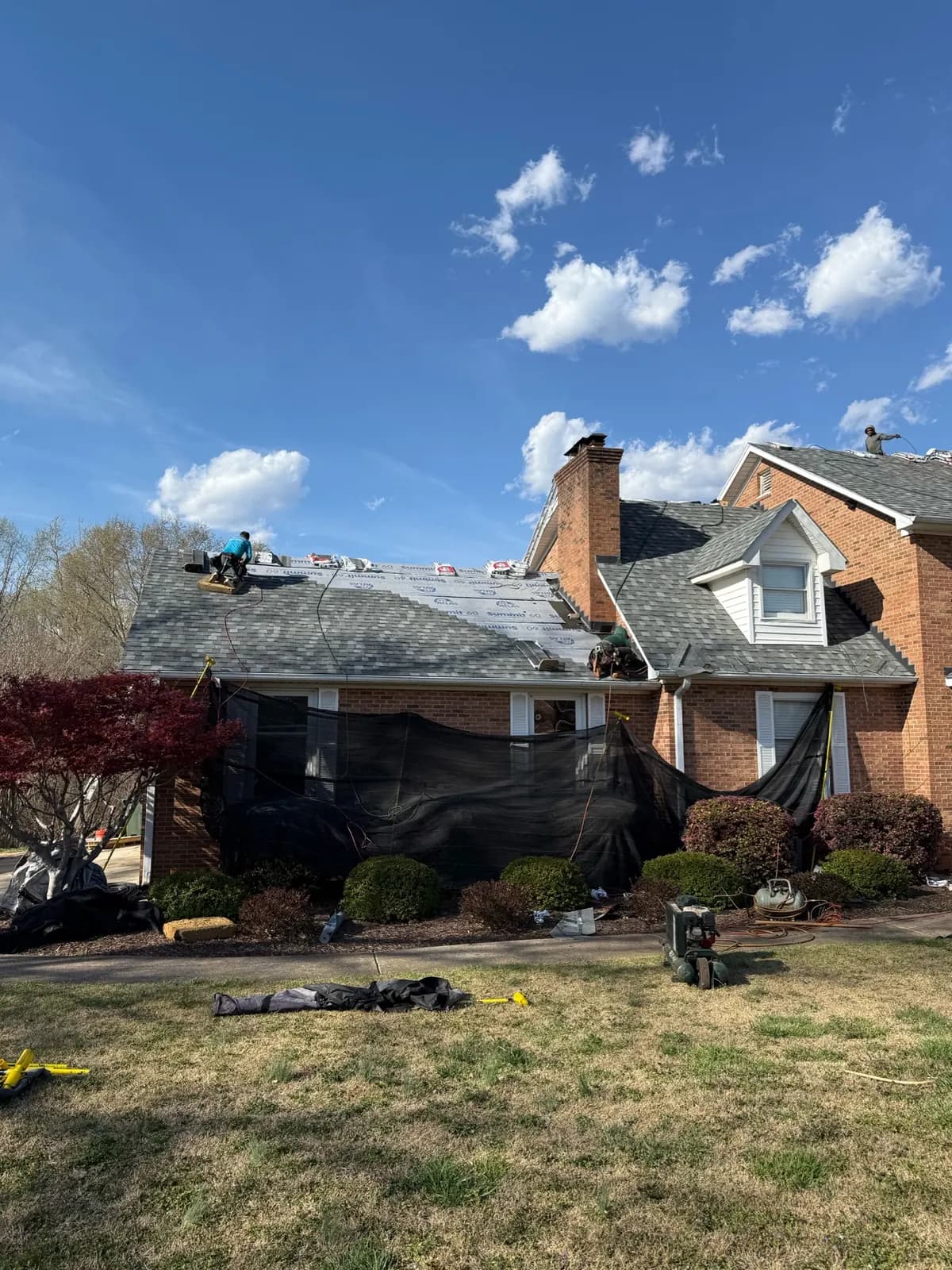
Shingle roof installation in progress

Why asphalt shingles remain a practical Upstate choice

Asphalt shingles fit many Taylors homes because they work on common steep-slope roof shapes, offer broad design choices, and can be repaired in contained areas while the surrounding material remains flexible. Architectural shingles create depth with laminated layers, while accessory pieces complete edges, ridges, and ventilation details.

Rhino often uses Atlas products and values the manufacturer's past response to legitimate material warranty concerns. Product support matters, but the package alone cannot correct a weak deck, poor flashing, blocked attic intake, or nails placed outside the fastening zone. Rhino treats material selection and field workmanship as one conversation.

01Service guide

Parts of an asphalt shingle roofing system

The roof deck creates the base. Drip edge manages water at eaves and rakes. Underlayment adds a secondary layer beneath the shingles, while ice-and-water membrane gives extra protection at vulnerable locations. Starter shingles help seal the first course and resist wind where pressure reaches the roof boundary.

Field shingles shed most rain through overlapping courses. Step flashing, chimney metal, pipe boots, and valley details carry water through every interruption. Ridge caps finish hips and peaks. A ridge vent, when suitable, must work with lower intake so attic air has a planned route rather than a random opening.

Rhino uses ice-and-water protection around dormers, valleys, penetrations, and chimneys on replacement work. Bill also checks installation while the layers are open. Underlayment laps, flashing placement, and deck conditions are easier to judge before the final courses hide them.

  • Deck and edge

    A sound base, drip edge, and starter courses establish support and wind resistance.

  • Water layers

    Underlayment and targeted membrane protect beneath the finished shingle surface.

  • Roof details

    Valleys, walls, chimneys, pipes, vents, and skylights need layered flashing.

  • Finished covering

    Field shingles and ridge products are fastened and exposed according to the selected system.

02Service guide

Choosing shingle color and performance features

Color changes how the roof relates to brick, siding, trim, stone, and neighboring homes. A small sample can look different across a full slope and under morning or afternoon light. Homeowners should view larger examples when possible and remember that shade, dust, and roof direction affect the finished appearance.

Algae resistance matters in the humid South Carolina Upstate, especially on shaded slopes. Rhino discusses products with built-in protection, including Atlas options associated with Scotchgard technology. That feature can reduce dark streaking, but tree cover, roof drying, ventilation, and maintenance still influence how the surface ages.

Wind ratings, impact labels, and warranty periods need context. The roof pitch, deck, fastening, starter, accessory products, installation method, and storm itself all affect performance. Rhino explains what the manufacturer covers and how the company's five-year labor warranty addresses installation workmanship.

03Service guide

Fastening and layout behind a clean shingle roof

Nails should pass through the intended fastening area, reach the deck correctly, and sit flush without cutting through or holding the surface open. Nails placed too high may miss the laminated layers. Overdriven nails weaken attachment. Raised nails can lift shingles and create a direct water path.

Course alignment keeps joints covered and exposures even. Poor staggering can stack joints or create visible patterns that also affect water shedding. Valleys and roof penetrations need cuts and fasteners placed away from concentrated flow. These details require steady layout rather than correction with surface cement afterward.

Temperature and handling matter. Cold shingles can crack when lifted or bent. Very hot material can scuff under foot. New seal strips may need warmth before bonding fully. Rhino plans work around safe conditions and keeps foot traffic focused so the finished granule surface is not treated like a walkway.

04Service guide

Repairing an asphalt shingle roof

Missing, creased, lifted, cracked, or punctured shingles may be replaceable when nearby courses remain sound. The repair usually requires lifting material above the damaged piece to reach its fasteners. Brittleness can cause the work area to grow, so flexibility matters as much as the number of visible defects.

An exact color match is not always available. Sun changes the existing roof, product lines change, and a fresh bundle may vary from material installed years ago. A compatible new repair can look brighter until it weathers. Rhino sets that expectation before work instead of promising an invisible patch.

Shingle replacement alone will not correct failed chimney flashing, a cracked pipe collar, soft deck, or leak traveling from a wall. The adjacent detail becomes part of the repair diagnosis. That wider view keeps a clean new shingle from covering the same opening that caused the call.

05Service guide

Knowing when the shingle roof is nearing replacement

Granule loss, cracking, curling, brittleness, exposed mat, repeated wind failures, and leaks in unrelated areas can show that the roof is losing repairability. Age is one clue, but original workmanship, ventilation, sun, tree cover, storms, layers, and prior maintenance can make roofs of the same year behave very differently.

Rhino may recommend repair on an older roof when one detail failed and the surrounding material can still be worked. A younger roof may need replacement when poor installation created widespread leaks. The company inspected one roughly ten-year-old roof with about a dozen failures, where patches could not create a system Rhino could stand behind.

Planning before an emergency gives the homeowner time to compare colors, products, scope, warranty terms, and deck allowances. Keep inspection photos and note changes from the ground. A calm replacement plan usually produces better decisions than choosing materials while water is already moving through the ceiling.

06Service guide

How Taylors heat, shade, and trees affect shingles

Summer sun heats south- and west-facing roof planes for long periods. Shingles, seal strips, exposed sealant, and rubber pipe collars may age at different rates across one house. A shaded north slope may stay cooler and hold moisture longer, creating dark streaks while the sunnier side shows more heat and color change.

Tree cover can reduce direct sun but add leaves, needles, rubbing branches, animal traffic, and slower drying. Debris gathers most easily in valleys, behind chimneys, and at low roof connections. Homeowners should not climb up to sweep these areas. A roofer can describe the roof concern, while a qualified tree professional handles limbs over the structure.

Attic conditions also affect shingle performance. Blocked soffit intake, unbalanced exhaust, bath fans ending in the attic, or large indoor air leaks can increase heat and moisture beneath the deck. Rhino reviews visible ventilation clues during roofing work and explains when insulation or air-sealing questions fall outside the roof scope. The finished shingles can perform only as part of the house above and below the deck, so those limits belong in the recommendation.

How we approach it

Select the system, expose the details, and check the work

A shingle project moves from roof condition and product choice to careful layer-by-layer installation and final cleanup.

  1. 01

    Inspect and select

    Roof shape, existing layers, deck clues, ventilation, flashing, style, color, and owner plans guide the system choice.

  2. 02

    Prepare and install

    The deck and edges are readied before protective layers, flashing, shingles, vents, and ridge products are placed.

  3. 03

    Review and document

    Installation details, property cleanup, material information, and labor-warranty contact are checked at closeout.

Helpful answers

Asphalt Shingle Roofing questions

Shingle choices make more sense when appearance, roof details, and warranty roles are discussed together.

What kind of asphalt shingles does Rhino install?

Rhino works with architectural asphalt shingle systems and often uses Atlas products, while remaining familiar with other manufacturers. The suitable line depends on roof design, color goals, budget, availability, and the accessory system used with it.

Can a few damaged shingles be replaced?

Yes, when damage is contained and surrounding shingles remain flexible enough to lift and refasten. Rhino also checks the cause, nearby flashing, and color availability before defining the repair.

Will new shingles match my older roof?

A close compatible product may be available, but an exact match is not guaranteed. Existing shingles fade and weather, and product colors change. New repair material commonly looks newer even when the technical match is suitable.

What is the difference between material and labor warranties?

Manufacturer terms address eligible product issues. Rhino's five-year labor warranty addresses installation workmanship by Rhino. Storms, falling trees, later penetrations, and work by another contractor fall outside an original workmanship issue.

Ready when you are

Choose the whole shingle system, not only the color.

Talk with Rhino about asphalt shingle roofing in Taylors, SC for a repair, replacement, new home, or material comparison.